Soldering Iron, Hot Air & Wick — Everything You Need for Mobile Repair
April 1, 2026
Ever tried removing a broken charging port with a regular iron? You know how that ends. The copper pad tears, the solder points disappear, and an hour of work — gone.
Soldering in mobile repair is different from what you learned in electronics class. Everything is smaller, more delicate, and less forgiving of mistakes. The right tools make all the difference.
When Do You Actually Need to Solder?
Not always. Replacing a battery, screen, or buttons usually doesn't require it. But when you have:
- A broken charging port
- A microphone that stopped working
- A burned component on the board
That's when you need to know how to solder.
The Tools — What You Actually Need
1. Soldering Station — The Iron Alone Is Not Enough
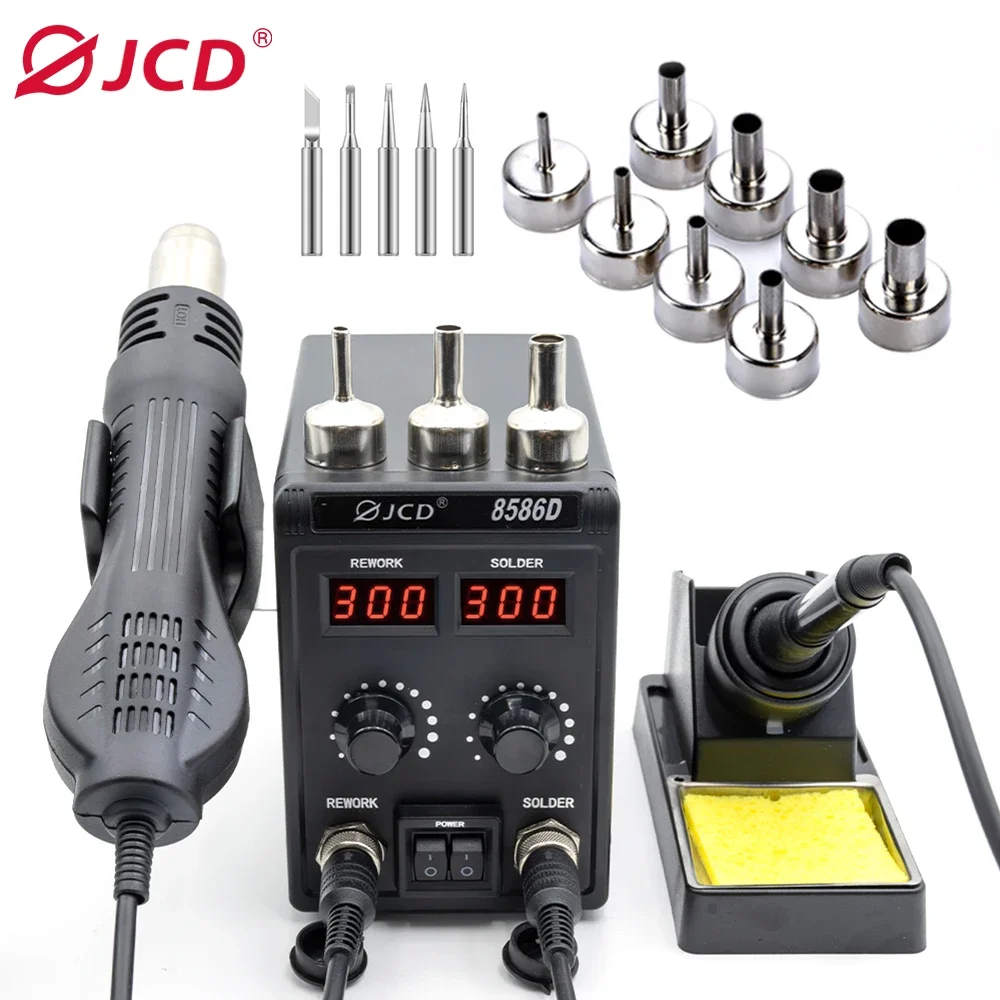
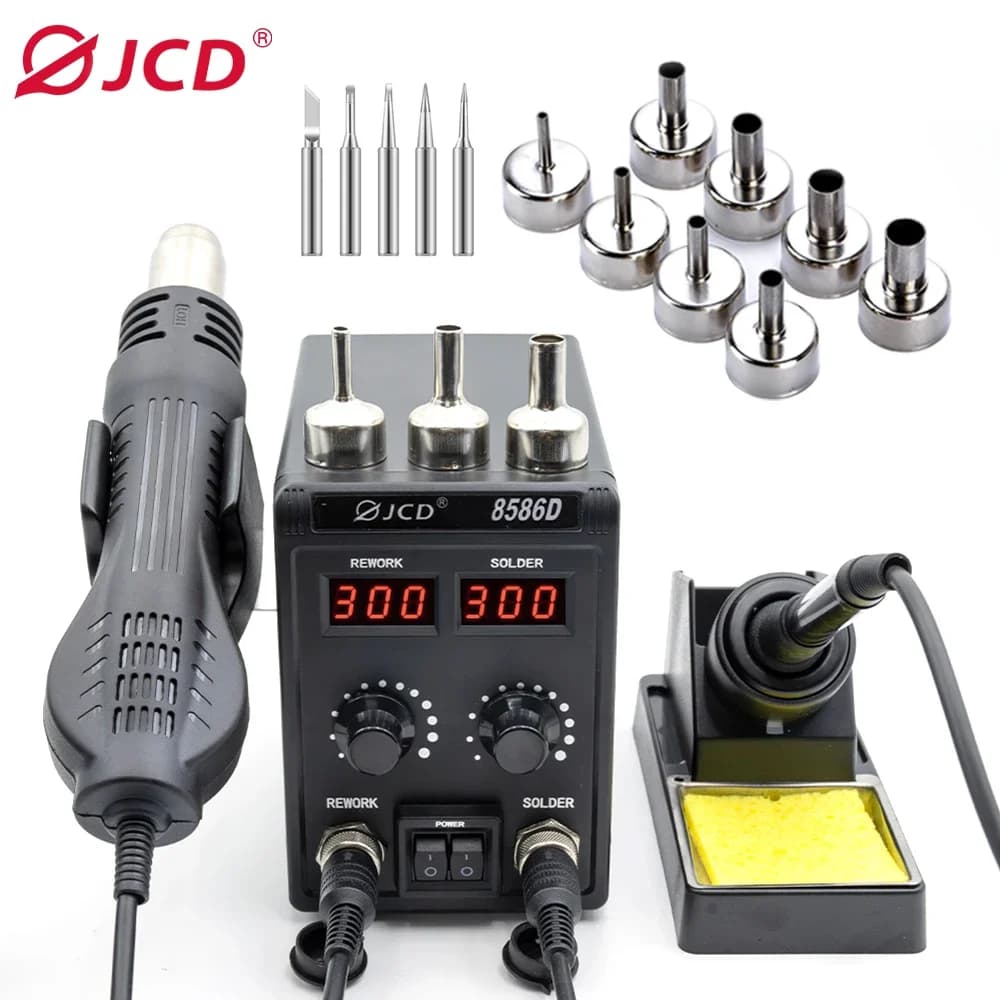
Why do you need hot air in addition to the iron? Because components on a phone board are connected on all sides — not just one. An iron touches a single point. Hot air heats the entire component evenly and lets you remove it safely.
The JCD 8586D is a 2-in-1 station — soldering iron and hot air with separate controls for each. JCD is known for quality tips that last and stable temperature — unlike cheap stations that display 350°C but deliver 300. That's the difference between a successful repair and a burned board.
| Setting | Soldering Iron | Hot Air |
|---|---|---|
| Temperature | 350°C | 350°C |
| Airflow | — | Medium (3–4) |
| Use | Single points, connections | Component removal, area heating |
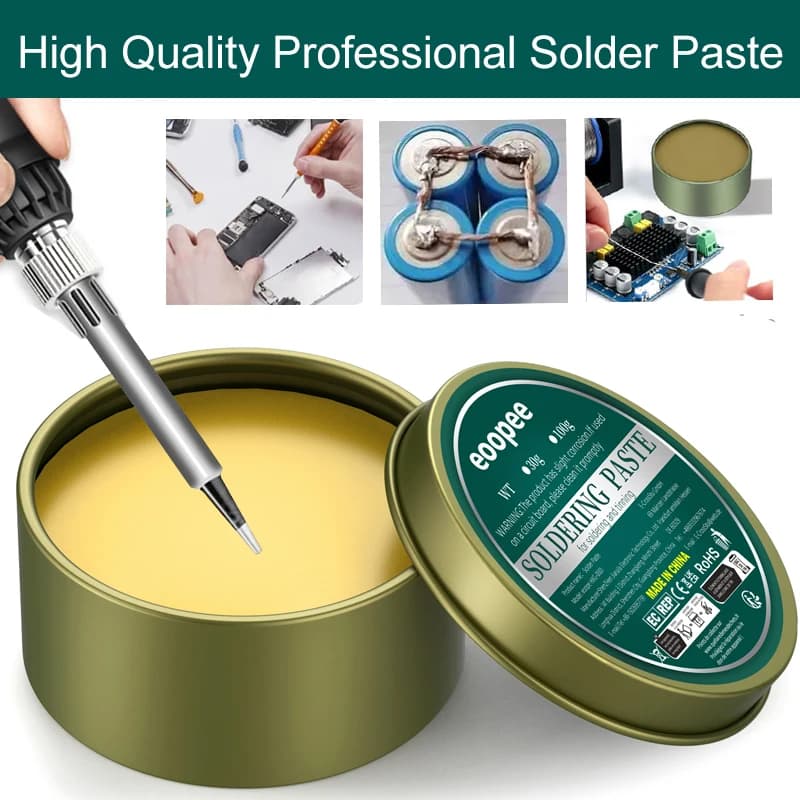
2. Flux — The Most Important Thing Most People Skip
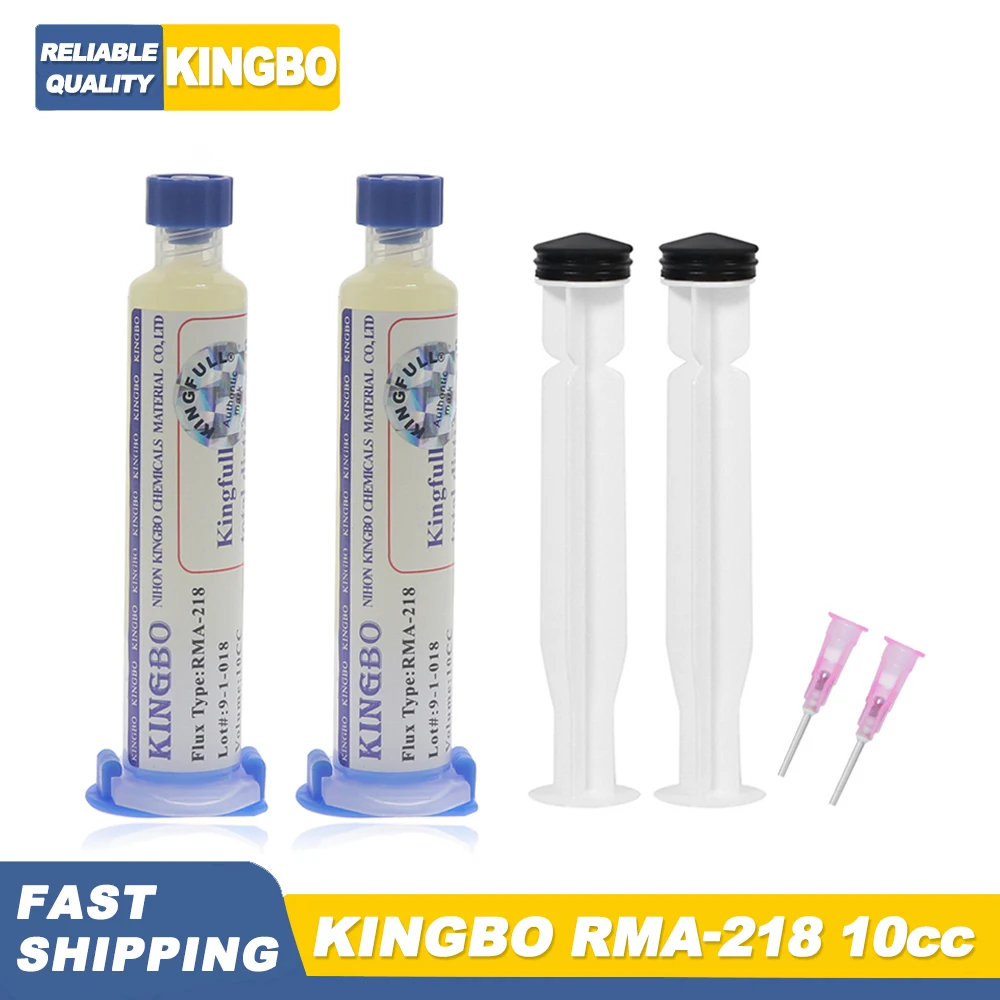
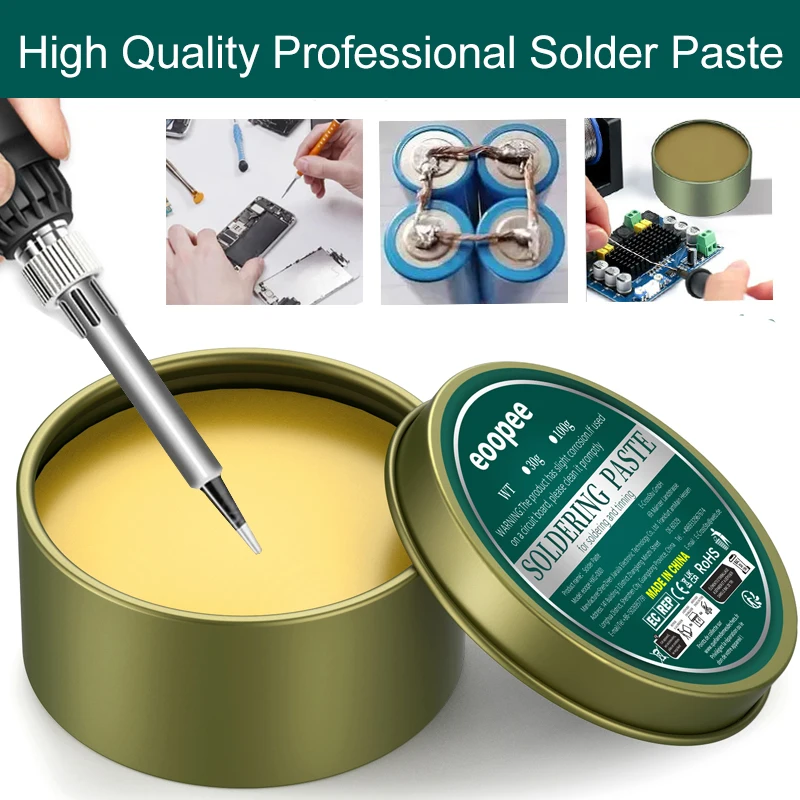
Flux is a compound you apply to a solder joint before touching it. It cleans the surface, helps the solder flow properly, and makes the joint look good and hold well.
Without flux — the solder comes out ugly, crumbles, and is unreliable. Simple as that.
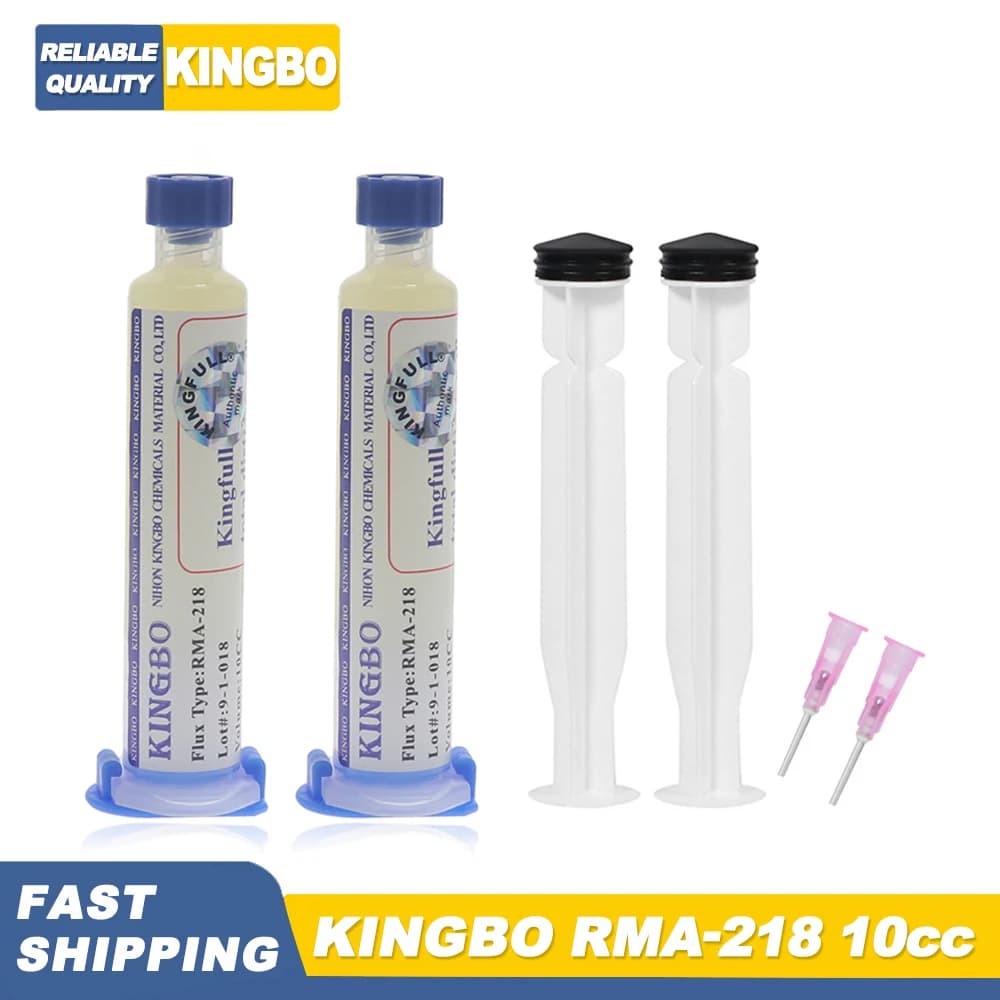
KINGBO RMA-218 in a syringe — easy to apply precisely where needed. The 100K-sales flux is a cheaper option that also works great for daily use. Rule: always flux before touching a solder joint.
3. Solder Wire — Not All Wire Is Equal

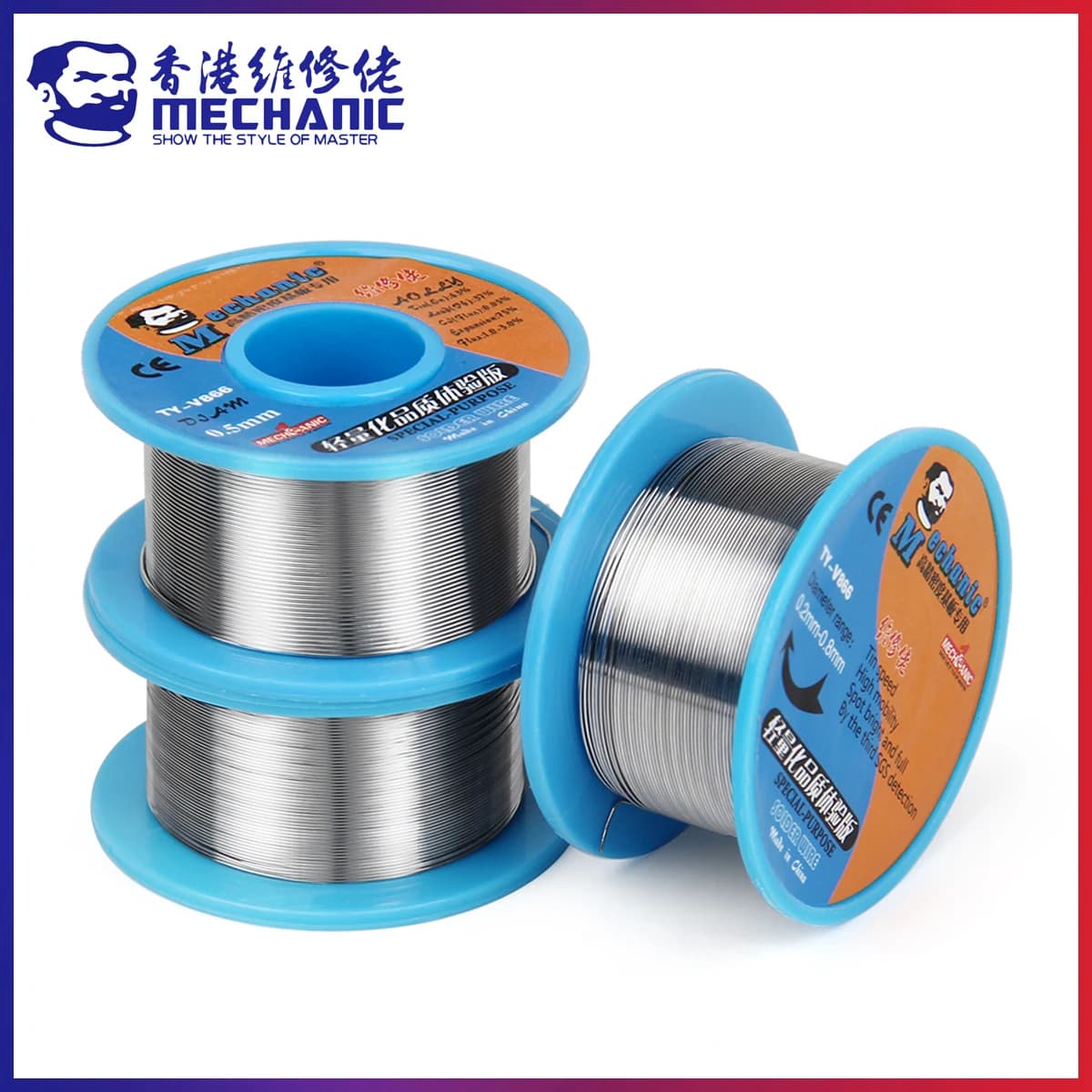
0.3mm wire for fine, delicate work. 0.5–0.8mm for larger connections like charging ports. MECHANIC TY-V866 melts cleanly and leaves no residue. Cheap wire doesn't melt properly and produces joints that fail after a week. Not worth saving money here.
4. Desoldering Braid — To Fix Mistakes
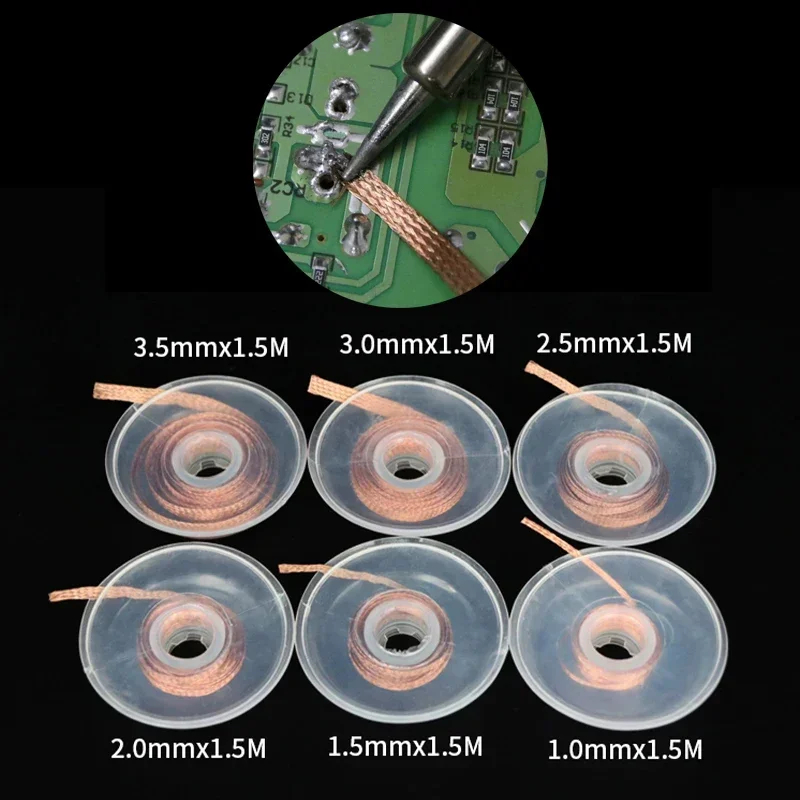
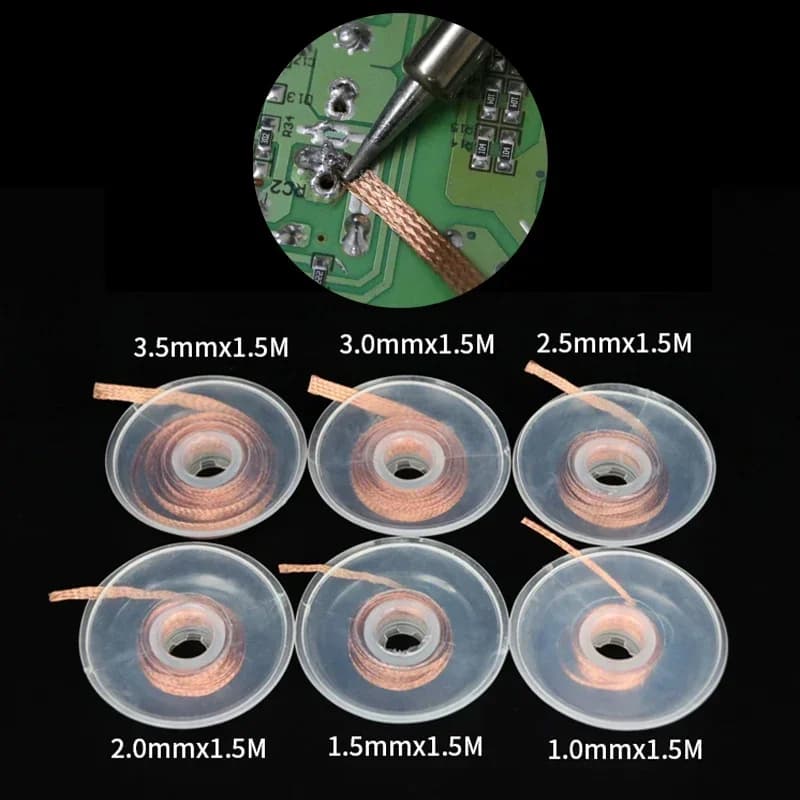
A metal braid you place on old solder, press with a hot iron — and it absorbs the tin like a sponge. Cleans the pad completely. Use it before new soldering too — to clean the pad you're about to work on.
Tip: Wet the braid with a little flux before use — it works much better.
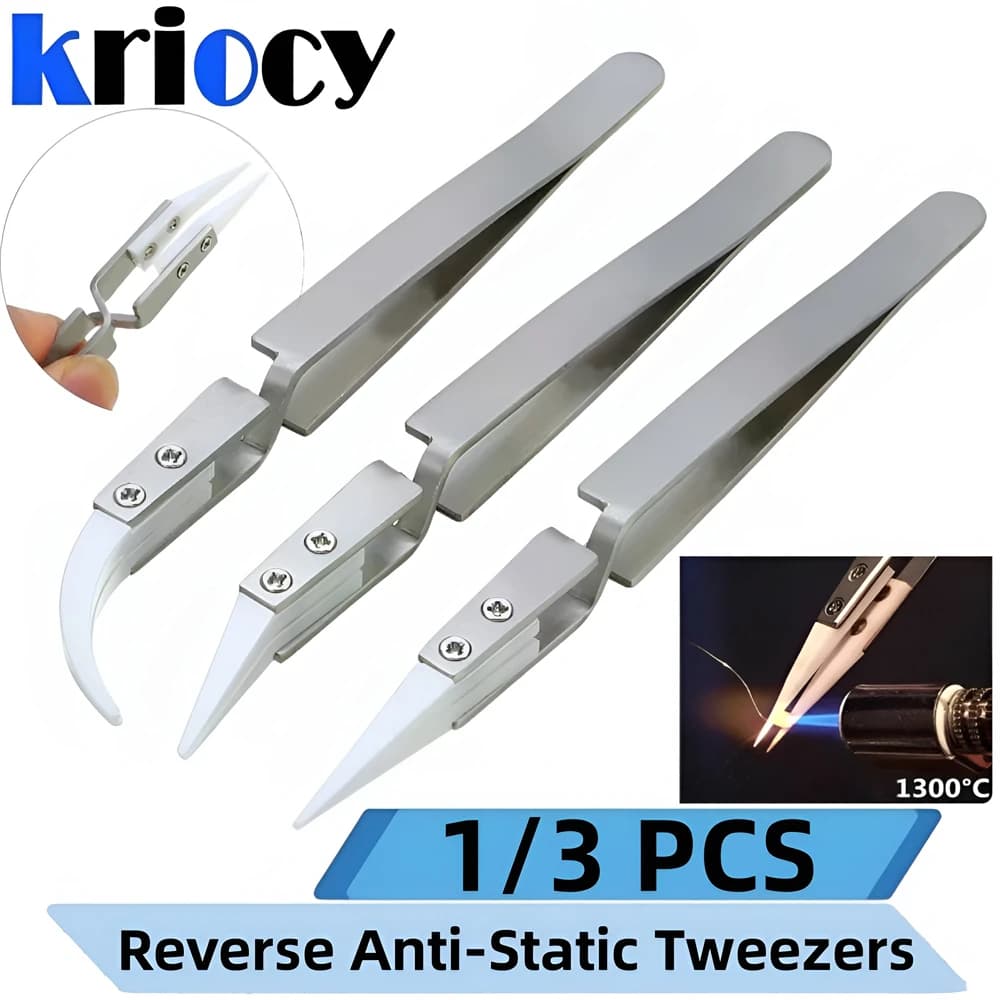
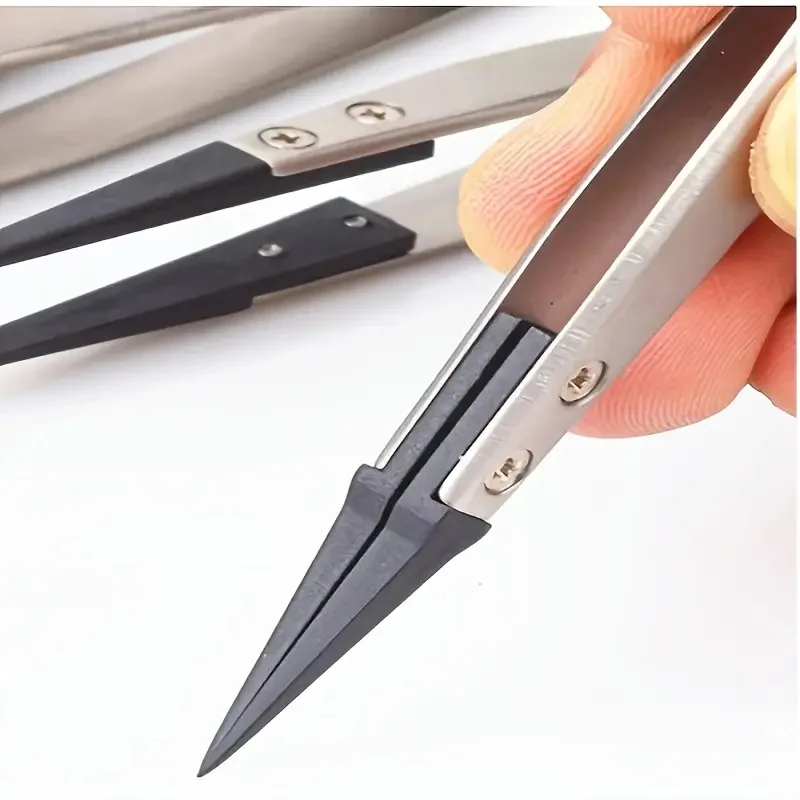
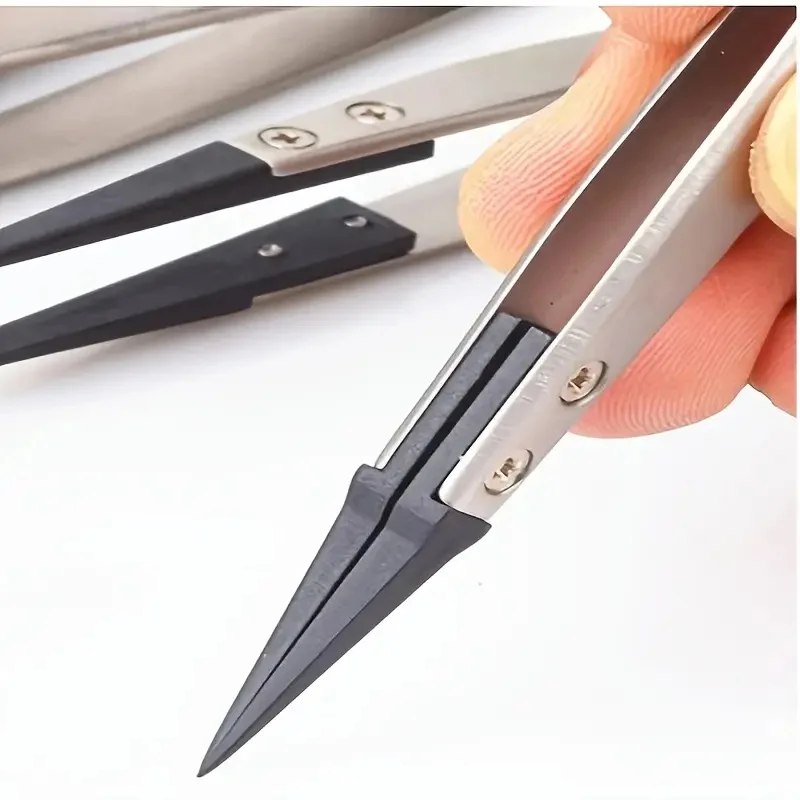
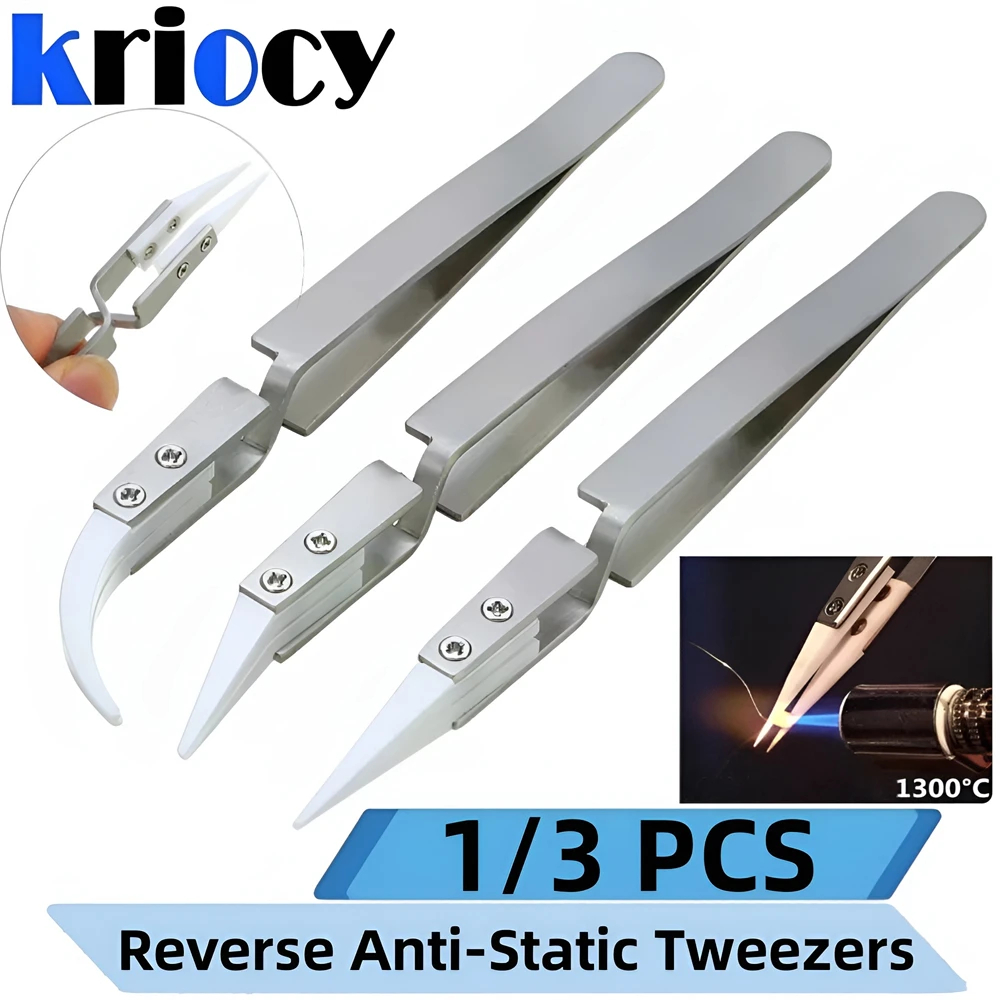
5. Tweezers — Not Just Any Tweezers

| Type | When to Use |
|---|---|
| Anti-static steel | General work, away from hot air |
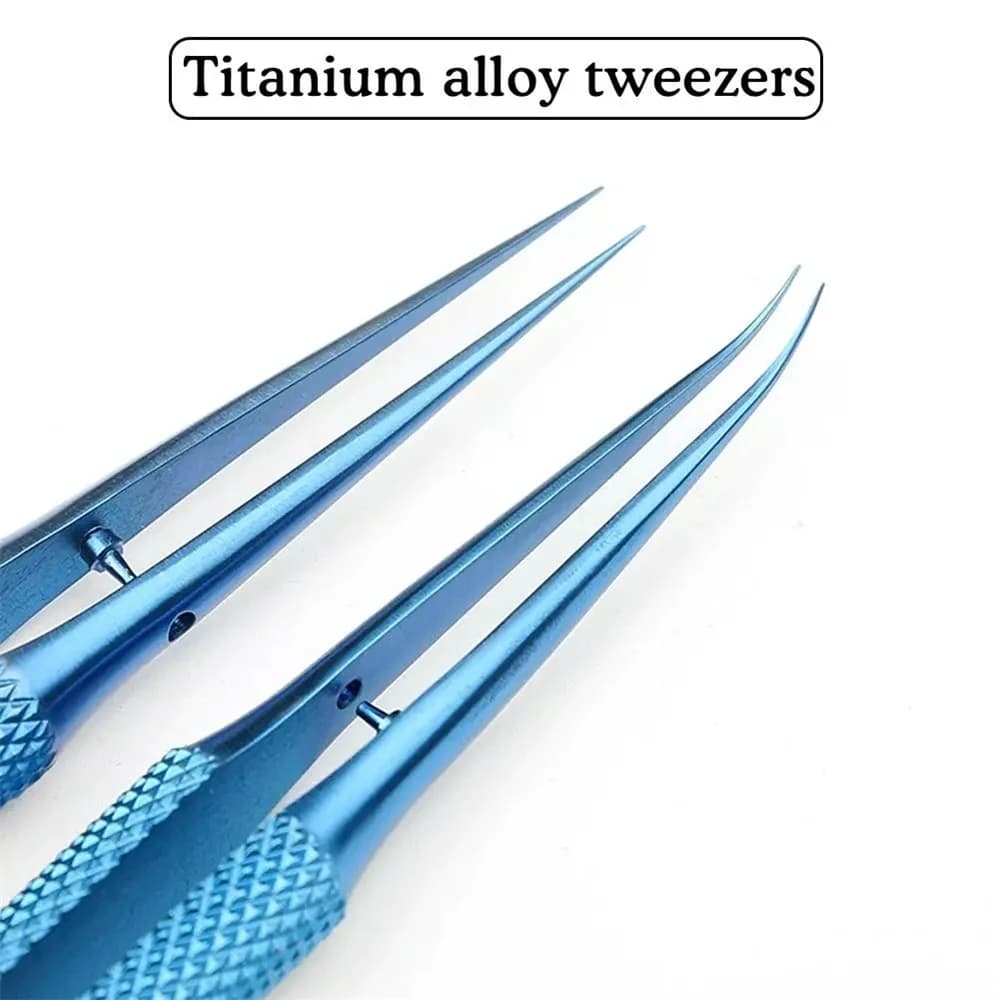
| Titanium | Near hot air — heats up slowly |
| Ceramic | Right next to hot air — conducts no heat at all |
Regular steel tweezers near hot air — they'll heat up and burn you. Titanium or ceramic is mandatory for any heat work.
6. Tip Tinner — Restore Your Iron Tip
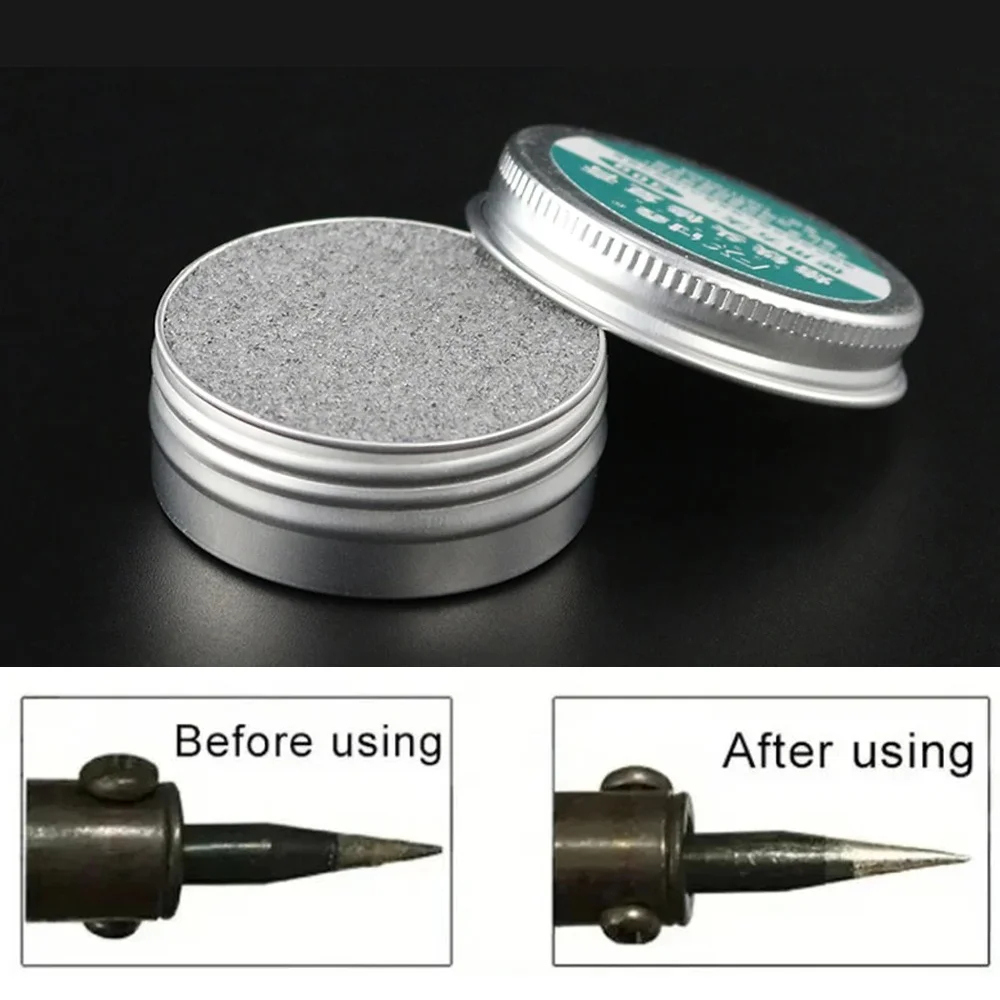
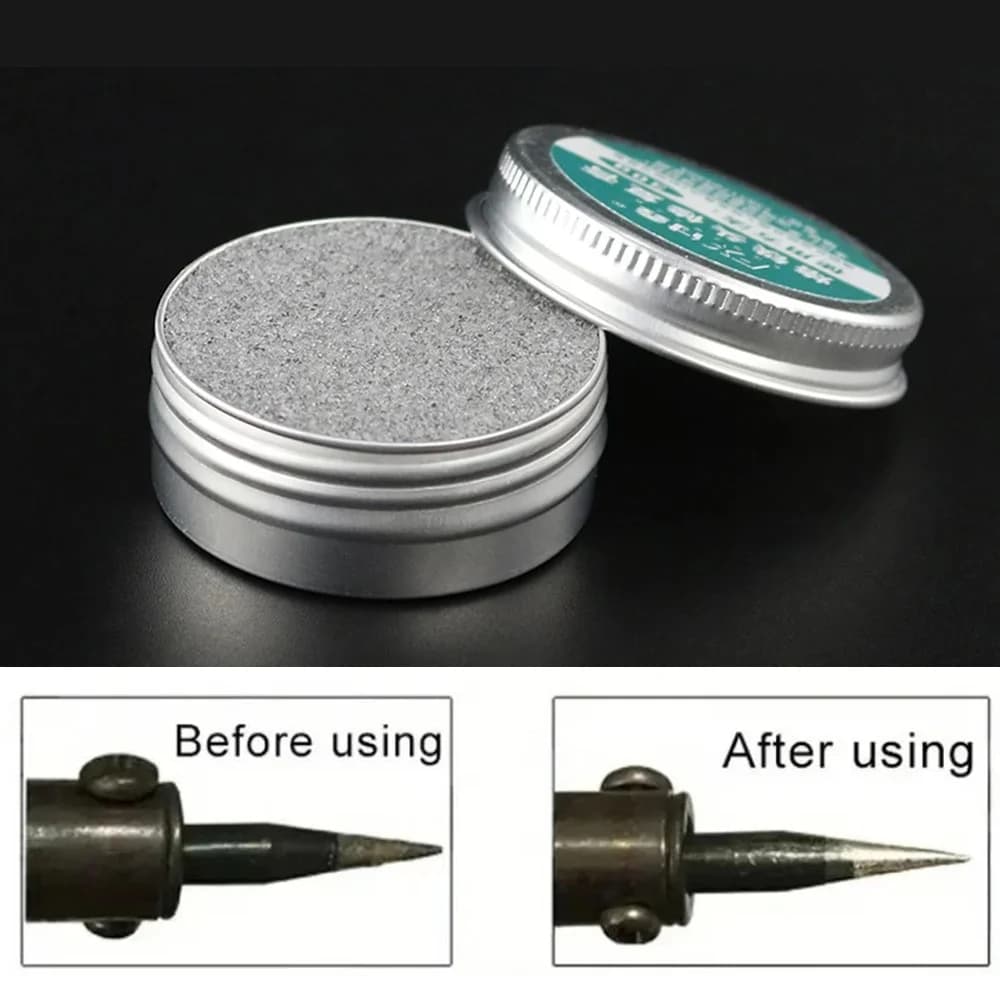
The iron tip turns black over time and stops transferring heat properly. Tip Tinner restores it in seconds — dip the hot tip in the tin, rotate, and it comes out silver and clean. A black tip means frustrating work. With Tip Tinner — the tip lasts for years.
Step by Step: Removing a Charging Port
- Clean — a few drops of alcohol and a brush, remove adhesive residue
- Flux — apply around the connector
- Hot air — 350°C, circular motions above the connector, don't stay in one spot
- Test — try gently wiggling with tweezers. Still stuck — more heat
- Lift — once it moves freely, lift gently
- Clean the pads — desoldering braid + flux, until clean
- New connector — flux, place in position, gentle hot air until it seats
What Not to Do
- ❌ Hot air directly on a screen — adhesive melts and the frame warps
- ❌ Too much flux — seeps under components and is hard to clean
- ❌ Too much heat — above 400°C burns copper pads. Take it slow.
- ❌ Force — if it won't move, more heat. Force tears copper.
- ❌ Black iron tip — use Tip Tinner before continuing
- ❌ Blowing on the board with your mouth — hot flux sprays in your face. Not pleasant.
Tips from the Bench
- 🔶 Clean after work: flux residue on the board eats copper over time
- 🔶 Flux first, always: even when it seems unnecessary — apply it
- 🔶 Braid with flux works better: wet it a little before use
- 🔶 Hot air keeps moving: circular motions, even heat — not one spot
- 🔶 JCD = stability: the temperature shown is the actual temperature. No guessing needed.